

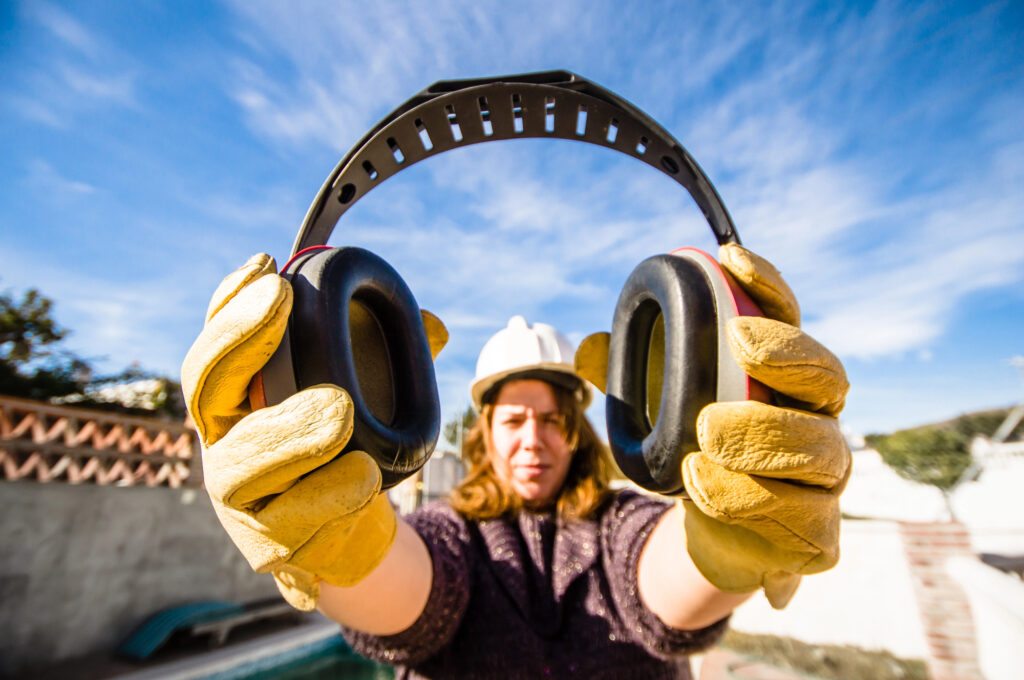
When workplace noise is discussed, the conversation typically centres on hearing protection, decibel limits, and physical safety. While these considerations remain critical, the mental health impacts are beginning to receive far more attention.
Whether it is the constant hum of machinery, the unpredictability of construction environments, the competing conversations of open-plan offices, or the cognitive overload of busy call centres, workplace noise can significantly affect how people think, feel, perform, and recover.
Emerging evidence suggests that occupational noise is not simply a physical hazard. Prolonged exposure to workplace noise can act as a chronic environmental stressor, contributing to physiological stress responses, cognitive fatigue, sleep disturbance, psychological distress, anxiety symptoms, and reduced wellbeing. When combined with other workplace demands such as high workloads, low job control, or poor support, occupational noise may also increase the risk of burnout and mental ill-health (Basner et al., 2014; Stansfeld & Clark, 2015; World Health Organization, 2018).
As organisations continue to prioritise psychological health and safety, understanding the relationship between noise and mental wellbeing has never been more important.
Why Noise Affects More Than Our Hearing
The human brain is designed to continuously scan the environment for potential threats. Loud, sudden, or unpredictable sounds trigger an automatic physiological response, activating the body’s stress system.
Even when employees become accustomed to a noisy environment, their nervous system often continues to react.
This ongoing activation can lead to elevated levels of cortisol and adrenaline, increased heart rate, muscle tension, and heightened vigilance throughout the workday.
Over time, workers may begin to experience:
- Increased stress and irritability
- Mental fatigue and emotional exhaustion
- Headaches and physical tension
- Difficulty concentrating
- Reduced resilience to workplace pressures
- Symptoms associated with burnout
The challenge is that these effects often develop gradually, making them easy to overlook until they begin impacting performance, wellbeing, and engagement.
The Cognitive Cost of Workplace Noise
Noise places a significant demand on the brain’s attentional resources. Every conversation, machinery sound, alarm, notification, or background distraction competes for cognitive processing capacity. As a result, employees must expend additional mental energy simply to maintain focus.
Research has linked occupational noise exposure to reduced concentration, impaired memory, slower information processing, and increased mental workload. When background noise competes for attention, employees must expend additional mental energy simply to maintain focus, increasing the risk of cognitive fatigue and reduced performance (Basner et al., 2014; Clark & Paunovic, 2018).
For many workers, this creates a frustrating cycle. The harder they try to focus, the more mentally exhausted they become.
Over time, this cognitive strain can contribute to:
- Reduced productivity
- Increased errors and mistakes
- Lower confidence in performance
- Greater frustration and disengagement
- Increased risk of psychological fatigue
The Connection Between Noise, Sleep, and Mental Health
One of the most significant pathways between occupational noise and psychological wellbeing is sleep. Sleep is one of the body’s most powerful protective factors for mental health. When noise interferes with recovery, resilience can quickly erode.
Workers exposed to excessive workplace noise often report difficulty winding down after work, interrupted sleep patterns, and reduced sleep quality. When recovery is compromised, the effects extend far beyond feeling tired. Quality sleep and recovery allow the brain and body to reset, process stress, and replenish the cognitive and emotional resources needed to perform effectively at work.
When this recovery cycle is disrupted, employees may experience lower stress tolerance, reduced focus, greater emotional reactivity, and diminished wellbeing. Over time, this can contribute to fatigue, burnout, anxiety, and depression, while also affecting safety, productivity, and workplace relationships.
Why Some People Are More Affected Than Others
Not all workers experience noise in the same way. Some individuals have higher levels of noise sensitivity, meaning their brains and nervous systems react more strongly to environmental sounds.
For these employees, everyday workplace noise can feel significantly more intrusive and draining. What one person perceives as manageable background noise may be experienced by another as a constant source of stress and distraction.
Recognising these individual differences is an important part of creating inclusive and psychologically safe workplaces.

Five Ways Leaders Can Support Mental Health in Noisy Work Environments
While reducing noise exposure remains an important safety priority, organisations can also take meaningful steps to support the psychological wellbeing of employees working in noisy environments.
1. Create Deliberate Recovery Spaces
Many workplaces focus heavily on productivity zones but overlook recovery zones.
Providing access to quiet spaces where employees can decompress, focus, or regulate their nervous system can significantly reduce the cumulative impact of noise exposure. These spaces do not need to be elaborate. A dedicated quiet room, a low-stimulation workspace, or access to outdoor areas can provide valuable opportunities for mental recovery throughout the day.
Just as muscles require recovery after physical exertion, the brain requires recovery from continuous sensory stimulation.
2. Build “Sensory Safety” Into Work Design
Psychological safety is often discussed in terms of communication and leadership. However, sensory safety is equally important.
Leaders should consider how work is designed and whether employees have any control over their sensory environment.
This might include:
- Rotating employees through quieter tasks
- Scheduling focused work periods
- Providing noise-cancelling technology where appropriate
- Reducing unnecessary alarms, notifications, or interruptions
- Consulting workers about environmental stressors
When people have greater control over their environment, stress responses decrease and wellbeing improves.
3. Train Leaders to Recognise Noise-Related Fatigue
Noise-related fatigue is rarely identified early because its symptoms often resemble general stress or disengagement.
Leaders should be equipped to recognise signs such as:
- Increased irritability
- Reduced concentration
- Emotional exhaustion
- Withdrawal from colleagues
- Increased mistakes or forgetfulness
When managers understand the impact of environmental stressors, they are better positioned to initiate supportive conversations and implement practical adjustments before concerns escalate.
4. Conversations About Wellbeing
Many employees hesitate to speak up when they are struggling, particularly if they believe noise is simply “part of the job.”
Creating a culture where people can discuss workload, fatigue, stress factors, and recovery without fear of judgement is essential.
Regular wellbeing check-ins, team discussions about work design, and visible leadership commitment to mental health can help normalise help-seeking and strengthen psychological safety across teams.
5. Connect Employees With Professional Support Early
Even with strong workplace controls, some employees may experience significant psychological impacts from prolonged exposure to high-demand or noisy environments.
Providing timely access to support services such as Employee Assistance Programmes (EAPs), workplace counselling, coaching, and psychological interventions can help employees build coping strategies, improve recovery, and address emerging mental health concerns before they become more serious.
Early intervention remains one of the most effective ways to support both employee wellbeing and organisational performance.
Looking Beyond Compliance
Noise management is often viewed as a regulatory requirement focused on protecting hearing. However, when excessive noise contributes to stress, fatigue, poor sleep, cognitive overload, and burnout, it becomes both a physical and psychological health issue.
Workplaces that recognise this connection are better positioned to create environments where people can perform well, stay healthy, and thrive over the long term. Reducing noise exposure is not simply about preventing hearing loss. It is about protecting concentration, recovery, resilience, and mental wellbeing.
How Connect Psych Services Can Help
At Connect Psych Services, we work with organisations to identify and address the psychosocial factors that influence employee wellbeing, engagement, and performance.
Through psychosocial risk guidance, leadership development, workplace wellbeing programs, psychological support services, and evidence-based training, we help organisations create healthier and more sustainable work environments.
If your organisation is looking to better understand the impact of workplace stressors such as occupational noise, fatigue, workload pressures, or psychological risk, we’d welcome the opportunity to support your journey.
References
Basner, M., Babisch, W., Davis, A., Brink, M., Clark, C., Janssen, S., & Stansfeld, S. (2014). Auditory and non-auditory effects of noise on health. The Lancet, 383(9925), 1325-1332. https://doi.org/10.1016/S0140-6736(13)61613-X
Clark, C., & Paunovic, K. (2018). WHO Environmental Noise Guidelines for the European Region: A systematic review on environmental noise and cognition. International Journal of Environmental Research and Public Health, 15(2), 285. https://doi.org/10.3390/ijerph15020285
Stansfeld, S. A., & Clark, C. (2015). Health effects of noise exposure in children. Current Environmental Health Reports, 2(2), 171-178.
World Health Organization. (2018). World Health Organization. Environmental Noise Guidelines for the European Region.